UK Gambling Commission Releases Q2 2025 Industry Stats: Betting Shops Anchor Growth as Remote Sectors Surge

The Latest Snapshot from the UK Gambling Commission
Observers tracking the UK gambling landscape now have fresh numbers to chew on, as the UK Gambling Commission dropped its official quarterly industry statistics for Quarter 2—covering July to September 2025—on February 26, 2026; these figures spotlight key metrics across Great Britain, revealing a sector that's expanding steadily, particularly in remote operations, while traditional betting shops maintain a solid footprint. Data indicates total customer-facing industry Gross Gambling Yield (GGY) hit £4.3 billion for the period, marking a 6.6% increase compared to the same quarter a year earlier, with remote sectors fueling much of that momentum; that's the kind of growth that keeps industry watchers glued to their screens, especially as March 2026 brings forward discussions on how these trends might shape regulatory tweaks down the line.
What's interesting here—and what experts have noted in early analyses—is how the report balances the enduring presence of physical venues against the digital shift that's reshaping yields; non-remote betting alone pulled in £592 million in GGY, accounting for 48.2% of the total non-remote haul, underscoring betting shops' role as a cornerstone even amid online booms. And while the full February 2026 publications bundle offers broader context, this Q2 breakdown zeroes in on betting's slice of the pie, from shop counts to revenue streams that tell a story of adaptation and expansion.
Betting Shops: Numbers That Hold the Line
Across Great Britain, betting shops numbered 5,782 during Q2 2025, forming a hefty portion—about 70%—of the 8,254 total licensed gambling premises; those venues, often tucked into high streets and communities, continue to draw crowds for everything from football matches to horse races, generating that £592 million non-remote betting GGY through in-person wagers and terminals. Figures reveal this segment's resilience, as shop operators navigate foot traffic fluctuations while contributing nearly half of all non-remote yields; it's not rocket science why they persist—proximity matters, and punters who've grown up with the chime of slot machines in these spots aren't ditching them overnight.
Take one typical betting chain that's weathered economic shifts; data shows such operations often cluster in urban areas, where the 5,782 outlets provide steady employment and local revenue, even as remote alternatives proliferate. Yet here's the thing: total premises at 8,254 encompass casinos, bingo halls, and more, positioning betting shops as the dominant physical force; researchers poring over these stats point out that this stability contrasts with past quarters where closures loomed larger, suggesting operators have found ways to adapt, perhaps through diversified offerings or tech integrations that blur lines between shop and screen.
Remote Sectors Step Up: Casino, Betting, and Bingo Yields Explode
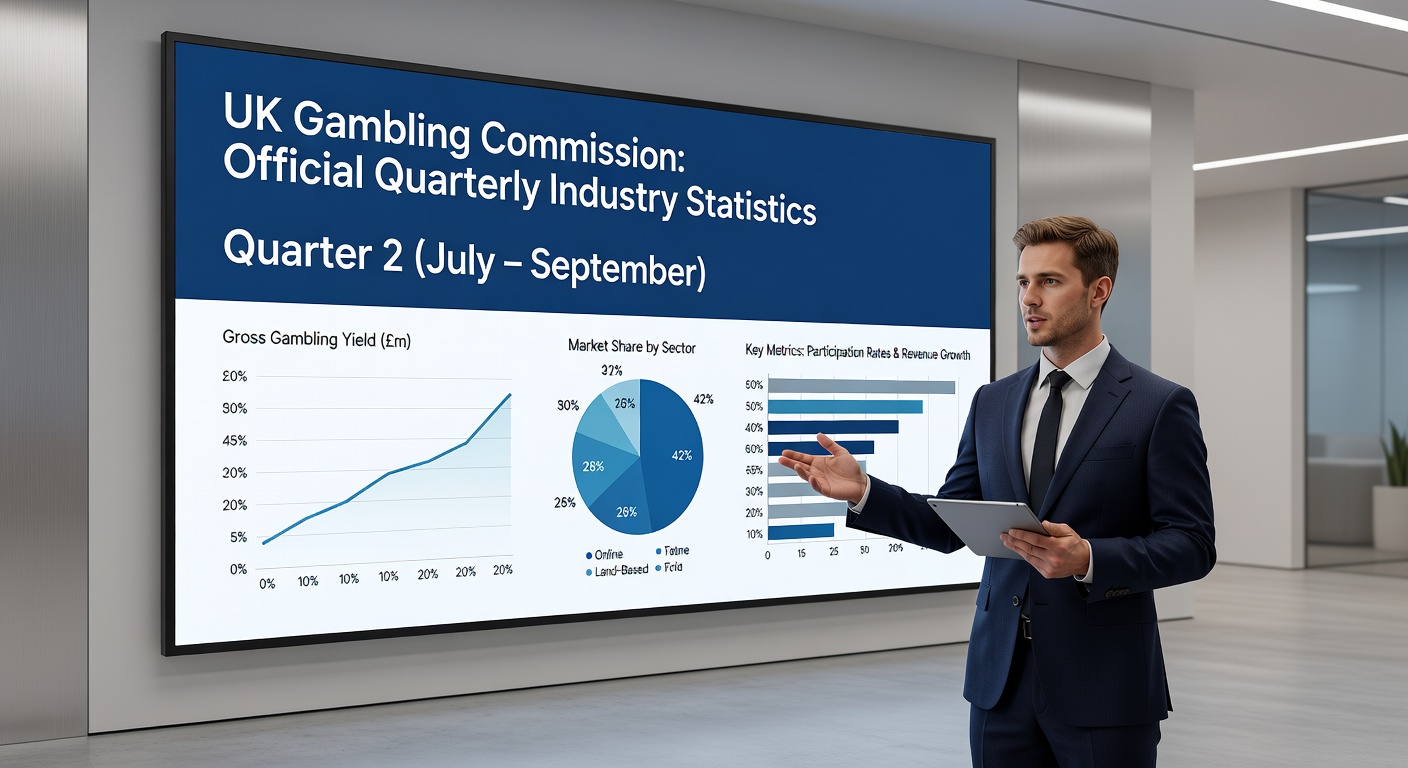
Remote operations stole the spotlight in Q2 2025, with casino, betting, and bingo combined raking in £2.0 billion GGY; remote casino led the pack at £1.4 billion, a figure that dwarfs many land-based counterparts and highlights how apps and websites have turned smartphones into high-stakes playgrounds for players across the country. These remote channels—accessible anytime, anywhere—drove the overall 6.6% YoY uptick in customer-facing GGY to £4.3 billion, as data underscores a shift where digital convenience pulls in younger demographics while retaining veterans who toggle between platforms.
People who've studied these patterns often discover that remote betting, bundled with casino and bingo, benefits from seamless integrations like live streaming and mobile wallets, pushing yields higher; the £2.0 billion total for those three isn't just a number—it's evidence of infrastructure investments paying off, with operators scaling up servers and compliance tools to handle surging traffic. And although non-remote betting holds its 48.2% share of physical yields at £592 million, the remote surge suggests a hybrid future where shops serve as hubs for online sign-ups, blending the tactile with the virtual in ways that boost overall participation.
Gross Gambling Yield Breakdown: Painting the Full Picture
Total customer-facing GGY reached £4.3 billion, up 6.6% from Q2 2024, with remote sectors providing the heavy lifting; non-remote betting's £592 million—48.2% of non-remote totals—shows physical wagering's bite, but when stacked against remote casino's £1.4 billion and the broader £2.0 billion from digital casino, betting, and bingo, the momentum tilts online. Experts observing these metrics note how GGY, calculated as stakes minus winnings, reflects operator profitability and player engagement; for Q2 2025, that equation balanced growth across segments, even as economic pressures like inflation lingered in the background.
But here's where it gets interesting: the report's granularity reveals remote betting's role within that £2.0 billion trio, complementing casino dominance while bingo carves a niche; one case study from prior quarters showed similar remote jumps correlating with marketing pushes and partnerships, trends likely echoing here. Those who've crunched the numbers find that the 6.6% rise aligns with broader industry trajectories, where total premises at 8,254 support a ecosystem yielding billions; it's noteworthy that betting shops, at 5,782 strong, anchor non-remote stability, preventing any wild swings as digital yields climb.
So, while March 2026 unfolds with stakeholders digesting these stats—perhaps eyeing affordability checks or licensing renewals—the Q2 data stands as a benchmark, showing £4.3 billion in customer-facing GGY driven by remote prowess alongside betting's brick-and-mortar backbone. Data from the publication indicates no major disruptions, just steady climbs that operators can build on; observers point to this as a green light for cautious optimism, with remote casino's £1.4 billion leading charges that could influence Q3 strategies.
Broader Context: Premises, Yields, and Sector Interplay
With 8,254 premises overall, the landscape spans from those 5,782 betting shops to arcades and tracks, each feeding into GGY pools; non-remote betting's £592 million, as 48.2% of its category, highlights efficiency in high-street models, where footfall translates directly to yields without the overhead of full casinos. Remote counterparts, hitting £2.0 billion collectively, leverage data analytics and personalization, drawing players who might never set foot in a shop; this interplay—physical numbers holding firm while digital dollars flow—defines Q2 2025's narrative, per the commission's figures.
Turns out, the 6.6% YoY growth to £4.3 billion isn't isolated; it mirrors patterns where remote casino's £1.4 billion anchors online expansion, pulling ahead as betting and bingo add layers. People familiar with the beat recall how past reports flagged shop vulnerabilities, yet 5,782 outlets signal endurance; that's where the rubber meets the road for policymakers in March 2026, balancing protections with prosperity as yields underscore viability across channels.
One researcher who dissected similar datasets found that GGY distributions like this—48.2% non-remote betting dominance within its realm—often predict hybrid innovations, such as shop-based kiosks linking to remote accounts; the report's stats provide the fodder, with total premises and yields offering a roadmap for what's next.
Conclusion: Steady Growth Signals Sector Maturity
The UK Gambling Commission's Q2 2025 stats, released February 26, 2026, deliver a clear message: customer-facing GGY at £4.3 billion, up 6.6% YoY, rides remote waves—£2.0 billion from casino, betting, and bingo, topped by casino's £1.4 billion—while 5,782 betting shops out of 8,254 premises generate £592 million non-remote (48.2% share); these figures, rooted in Great Britain's July-September activity, chart a path of