Timestamp Cross-Referencing by Online Communities Highlights Emerging Roulette Multiplier Trends
Tina Becker · Jul 22, 2026
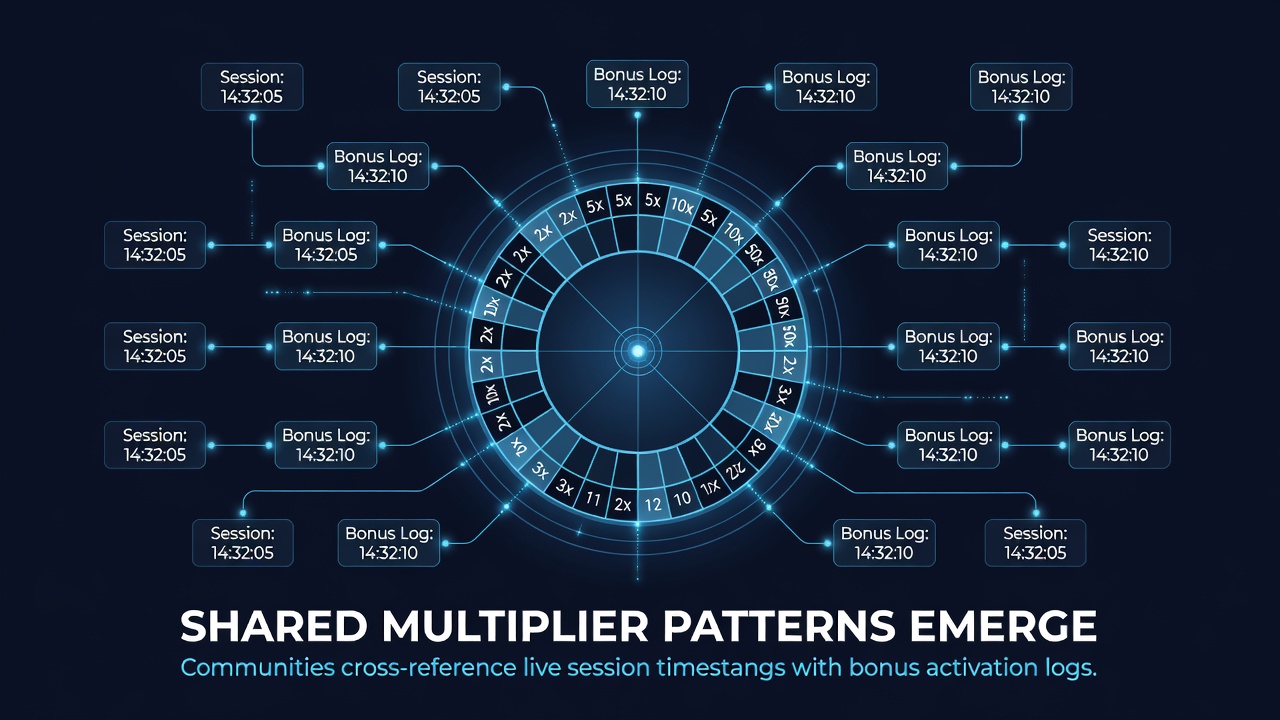
Timestamp Cross-Referencing by Online Communities Highlights Emerging Roulette Multiplier Trends
Online gambling communities have started pooling live session timestamps alongside bonus activation records, and this practice has brought certain multiplier patterns in roulette games into sharper focus during mid-2026. Observers note that groups compile precise start times from live dealer streams with moments when promotional credits activate, then compare those entries across multiple accounts and sessions to identify recurring sequences where multipliers appear on specific wheel segments.
Data Collection Methods in Practice
Participants record exact UTC timestamps for each spin round while noting when bonus funds trigger new betting rounds, and they organize this information into shared spreadsheets that track multiplier values against wheel positions. One researcher who examined similar datasets in earlier years found that clusters of elevated multipliers often align within narrow windows after bonus activation, particularly when sessions span several consecutive hours. Groups refine these records by cross-checking against server-reported round IDs, which eliminates discrepancies caused by local clock variations or stream delays.
Figures from industry monitoring services show increased activity in these collaborative efforts throughout July 2026, as more players adopted synchronized logging tools that automate timestamp capture directly from game interfaces. Such tools pull data at the moment a round concludes, then merge it with bonus log exports from operator platforms, creating unified timelines that multiple users can query simultaneously.
Pattern Identification Across Sessions
Communities have documented instances where multipliers above a certain threshold cluster during specific intervals following bonus activation, and analysts compare these intervals across different operators to test consistency. Data indicates that certain wheel segments receive elevated multipliers more frequently when sessions begin shortly after a bonus credit posts, whereas other segments show different distributions during standard play periods. Researchers at academic institutions have begun reviewing anonymized versions of these aggregated logs to assess statistical significance, with preliminary reports suggesting non-random distributions in at least one popular live roulette variant.
Turns out the process relies heavily on volume, since individual players rarely accumulate enough qualifying sessions to detect subtle trends, yet pooled datasets from dozens of accounts reveal repeatable alignments between activation times and multiplier placements. Groups filter results by game provider and table limits to isolate variables, then publish summary tables that highlight time-based correlations without revealing personal account details.
Technical Tools Supporting Analysis
Participants employ scripts that parse exported session histories and match them against bonus transaction records using common fields such as account identifiers and round numbers, and these scripts generate visual timelines that display multiplier occurrences as color-coded markers. Industry organizations including the American Gaming Association have published guidelines on responsible data handling for such community projects, emphasizing anonymization practices that protect user identities while preserving analytical value.

What's interesting is how these visualizations allow rapid identification of outlier rounds where multipliers exceed historical averages, prompting further manual review of the associated timestamps and activation events. Several university-affiliated studies on behavioral analytics in digital gaming environments have referenced similar timestamp-matching techniques when examining player interaction patterns, though those works focus primarily on aggregate trends rather than individual game mechanics.
Regulatory Context and Data Sharing
Authorities in multiple jurisdictions monitor how player groups handle session data, and the Casino Regulatory Authority of Singapore has issued statements clarifying that anonymized statistical sharing falls outside direct regulatory oversight provided no personal information is disclosed. Observers note that operators themselves sometimes release aggregated multiplier frequency reports, which communities then incorporate into their cross-referenced datasets for validation purposes. These official releases typically cover monthly or quarterly periods and include breakdowns by game type, giving external analysts additional benchmarks against which to measure their own findings.
Evidence suggests that the practice of timestamp cross-referencing continues to expand as more participants contribute to shared repositories, and the resulting datasets grow more granular with each additional logged session. Groups maintain version histories of their compiled tables so that later contributors can verify earlier entries against newly available bonus activation records.
Future Directions for Community Analysis
Analysts expect further refinement of matching algorithms as scripting languages improve timestamp precision down to millisecond levels, and this development could reveal even finer correlations between bonus events and multiplier behavior. Reports from the National Council on Problem Gambling in the United States highlight the importance of transparent methodologies when communities publish pattern summaries, encouraging clear documentation of sample sizes and filtering criteria. Such transparency allows independent verification and supports broader understanding of how live roulette systems distribute multipliers across extended play periods.
Those who've studied these collaborative efforts know the emphasis remains on observable data alignments rather than predictive claims, and the compiled records serve primarily as reference material for participants seeking to understand session dynamics more thoroughly. Continued contributions from additional regions and operators are likely to expand the scope of available comparisons in coming months.
Conclusion
Cross-referencing live session timestamps with bonus activation logs has enabled communities to surface recurring multiplier distributions in roulette environments, and the resulting datasets continue to grow through structured data sharing practices. Academic and regulatory sources provide frameworks that support responsible handling of these records, while technical tools streamline the matching process for participants. As July 2026 records feed into larger repositories, analysts anticipate additional clarity on time-based patterns across different game configurations and operator platforms.