Slot Payout Cluster Tracing Through Multi-Platform Bonus Log Aggregation
Tina Becker · Jul 29, 2026
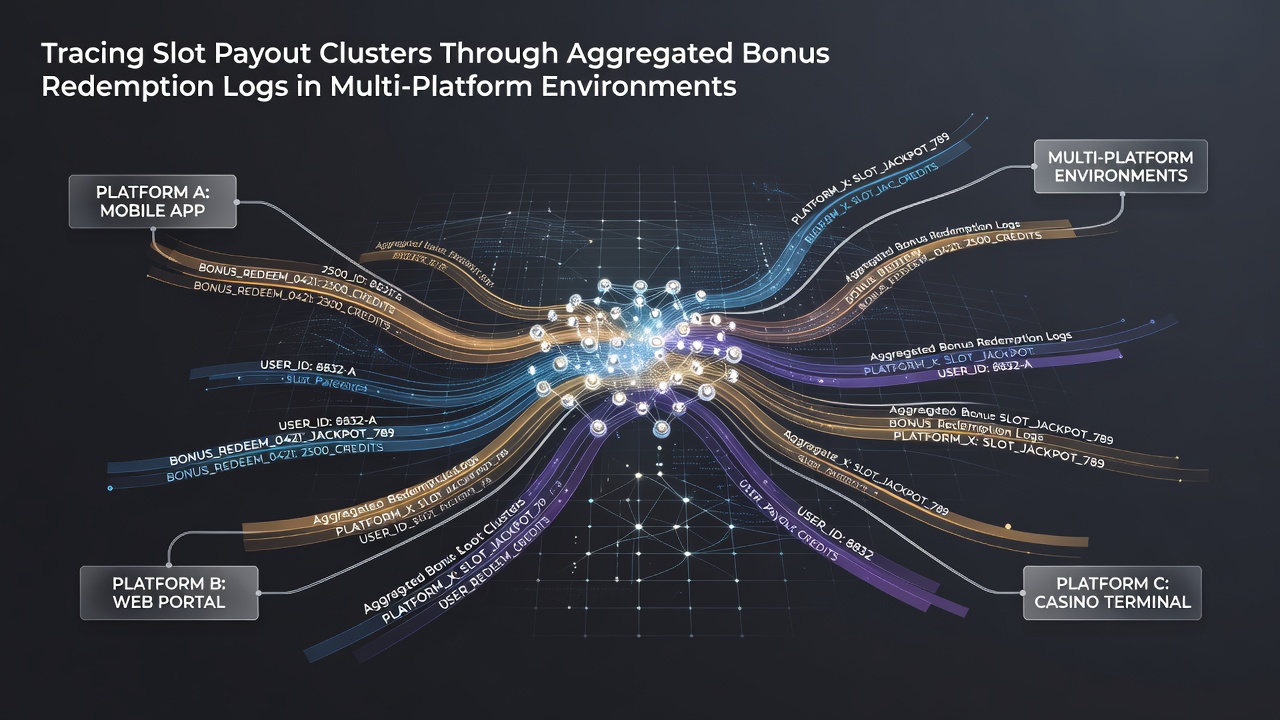
Slot Payout Cluster Tracing Through Multi-Platform Bonus Log Aggregation
Analysts in the gaming sector rely on aggregated bonus redemption logs to map slot payout clusters across desktop, mobile, and kiosk environments, and these records compile transaction details from various operators into unified datasets that reveal performance patterns without exposing individual player identities. Data aggregation processes combine timestamps, bonus types, and redemption outcomes from different platforms, which allows observers to spot concentrations of high or low payout activity in specific game titles or geographic segments.
Data Aggregation Fundamentals
Operators collect redemption entries that include game identifiers, platform codes, and payout values, then consolidate them into centralized repositories where algorithms detect clusters based on frequency and magnitude of wins, and studies from research institutions such as the University of Nevada, Las Vegas show that these methods improve visibility into payout distributions when cross-referenced with game mechanics. Multi-platform environments introduce variables like session length differences between mobile and land-based terminals, yet aggregated logs normalize these factors through standardized fields that enable direct comparisons.
According to figures from the Nevada Gaming Control Board, remote and integrated systems accounted for measurable shifts in bonus utilization during early 2026, which highlights how consolidation of logs supports ongoing monitoring without requiring separate platform audits. Those who process the data apply clustering techniques similar to those used in retail analytics, grouping redemptions by volatility ranges or jackpot triggers to isolate segments where payouts deviate from expected baselines.
Identifying Patterns Across Platforms
Cluster detection begins with filtering logs for common attributes such as bonus value ranges and game categories, after which statistical models flag areas of elevated activity that may indicate mechanical features or player behavior trends, and researchers at institutions including the National Center for Responsible Gaming have documented how these patterns emerge consistently when datasets span multiple jurisdictions. In July 2026, industry reports noted increased adoption of cloud-based aggregation tools that handle real-time feeds from European and North American operators simultaneously, allowing faster identification of payout concentrations tied to seasonal promotions.

Platform-specific quirks, such as differing latency rates or interface designs, can influence redemption timing, yet aggregated views mitigate these distortions by averaging across thousands of entries. Observers note that clusters often align with particular bonus structures like free-spin multipliers or deposit-match thresholds, providing operators with factual benchmarks for game portfolio adjustments.
Technical Implementation and Challenges
Integration of logs requires secure data pipelines that strip personal identifiers while preserving metadata on game outcomes and platform origins, and solutions from academic sources like the Gambling Research Exchange Ontario demonstrate scalable approaches that maintain compliance across borders. Challenges arise when formats vary between legacy systems and newer applications, which necessitates mapping protocols that align fields such as redemption date, stake amount, and return value. Those implementing these systems report that machine learning models trained on historical aggregates improve cluster accuracy over time by learning from verified payout events.
Cross-border data sharing adds layers of regulatory alignment, though organizations such as the Australian Communications and Media Authority publish guidelines that facilitate standardized reporting formats useful for multi-platform analysis. In practice, teams combine these logs with public game return-to-player statistics to validate cluster findings against theoretical expectations.
Applications in Current Operations
Operators apply cluster insights to refine bonus offerings by reallocating resources toward games that show stable payout groupings, and evidence from industry associations like the European Gaming and Betting Association indicates measurable efficiency gains in marketing spend when decisions draw from aggregated rather than siloed data. July 2026 saw several platforms expand their log integration to include emerging live-hybrid slots, where redemption patterns span both digital and streamed elements. This expansion supports factual comparisons of performance metrics across environments without reliance on anecdotal reports.
Case examples include analyses where clusters of mid-range payouts appeared predominantly on mobile during evening hours, prompting schedule-based content adjustments documented in sector reports. Such applications remain grounded in quantitative outputs from the logs themselves.
Conclusion
Aggregated bonus redemption logs provide a structured method for tracing slot payout clusters in multi-platform settings through systematic collection, normalization, and statistical examination of redemption records. Data from regulatory bodies and research centers continues to inform these processes as operators adapt tools to handle growing volumes of cross-environment transactions. The approach yields objective mappings of payout activity that support operational decisions based on observed patterns rather than isolated metrics.