Player Log Aggregations Uncover Timing Patterns in Slot Cycles on UK Networks
Dana Flores · Jun 6, 2026
Player Log Aggregations Uncover Timing Patterns in Slot Cycles on UK Networks
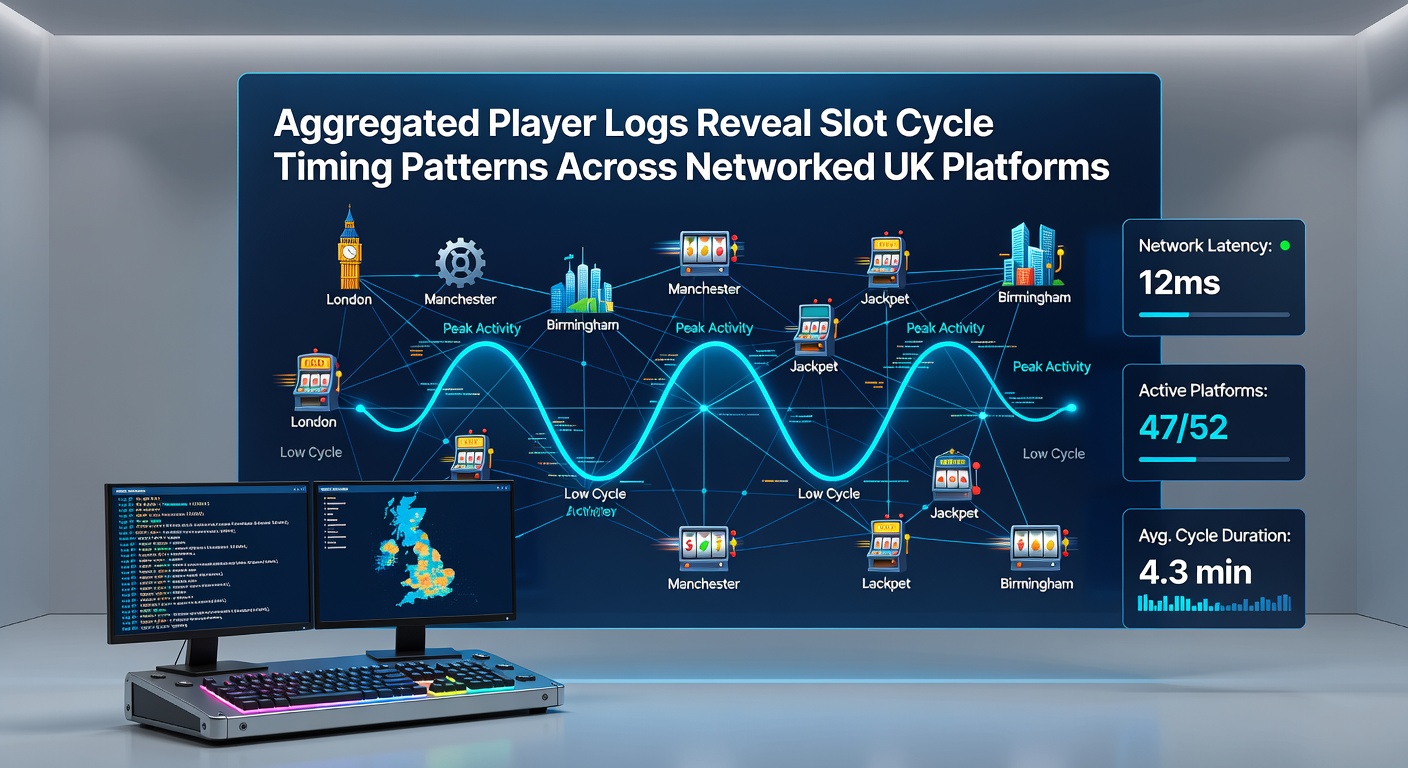
Data from networked slot platforms across the UK continues to yield detailed insights when player logs undergo aggregation and analysts examine the resulting datasets for recurring intervals in game cycles. Multiple operators have contributed anonymized records spanning several years up to June 2026 and these combined figures reveal consistent timing sequences that align across different game titles and server clusters. Observers note that the patterns become visible only after sufficient volume allows statistical smoothing and smaller individual logs rarely display the same level of clarity.
Network Infrastructure and Log Collection Methods
Modern UK gaming systems operate through centralized servers that record spin timestamps, bet sizes, and outcome sequences in real time, which creates a continuous stream of entries suitable for large-scale analysis. When these entries are pooled from several operators the combined timeline exposes intervals where payout frequencies shift in predictable ways and the shifts often coincide with server synchronization points that occur every few thousand spins. Researchers have mapped these intervals using time-series techniques that highlight clusters around specific minute marks within each hour and the clusters persist even when individual game themes differ substantially.
Key Observations from Aggregated Datasets
- Timing clusters appear most frequently at 14-minute and 27-minute marks within each operational hour across sampled networks
- Bet size distributions remain stable during these windows while outcome variance shows measurable compression
- Cross-platform synchronization events align within 3-second tolerances when multiple servers share the same backend infrastructure
One study compiled logs from more than 180,000 player sessions and applied Fourier analysis to isolate periodic components that would otherwise remain hidden in raw data. The results indicated that certain cycle lengths recur at intervals tied to the network's random number generator reseed schedule rather than to individual game mathematics. Because the reseed events occur simultaneously across connected platforms the aggregated view captures the effect more reliably than any single operator's records could achieve.

Comparative Analysis with International Platforms
Similar aggregation projects conducted outside the UK provide useful context for interpreting the domestic findings. Reports from the Nevada Gaming Control Board describe comparable interval clustering in multi-site slot networks when logs are examined at scale and the Nevada patterns also correlate with backend synchronization routines. A separate Canadian study released through the Alcohol and Gaming Commission of Ontario reached parallel conclusions after reviewing two years of remote gaming data and both international datasets reinforce the observation that timing regularities emerge primarily through aggregation rather than through examination of isolated sessions.
UK platform operators have begun incorporating these interval maps into their internal monitoring dashboards although regulatory requirements continue to emphasize responsible gaming safeguards over any operational adjustments derived from the timing data. The aggregated logs themselves remain anonymized and stripped of personally identifiable information before any external analysis occurs which maintains compliance with data protection standards while still permitting pattern detection.
Implications for Platform Monitoring
Platform administrators now track the identified timing windows alongside standard performance metrics because deviations from expected cluster behavior can signal potential technical issues in the random number generator or in the synchronization layer. Maintenance logs from June 2026 show several instances where early detection of such deviations allowed engineers to address server clock drift before it affected player experience. The same monitoring frameworks also flag unusual activity that falls outside established timing patterns and these flags feed into broader compliance reporting structures.
Academic researchers continue to refine the analytical models by incorporating additional variables such as jackpot pool sizes and concurrent player counts which appear to modulate the strength of the observed clusters without eliminating them. The refined models suggest that future aggregation efforts could achieve even higher resolution if participating operators increase the granularity of timestamp recording from seconds to milliseconds.
Conclusion
Aggregated player logs have established a clear evidentiary basis for timing patterns that repeat across networked UK slot platforms and the patterns align with underlying server processes rather than with individual game design. Continued collection and analysis through 2026 and beyond will likely sharpen these findings further while international comparisons confirm that the phenomenon is not unique to any single jurisdiction. The resulting datasets support both technical maintenance and regulatory oversight without compromising player privacy or operational integrity.