Mastering the Live Poker Grind: Real Tactics Casual Players Used to Build Steady Bankrolls
Dana Flores · Mar 24, 2026
Mastering the Live Poker Grind: Real Tactics Casual Players Used to Build Steady Bankrolls
The Shift from Weekend Fun to Full-Time Focus
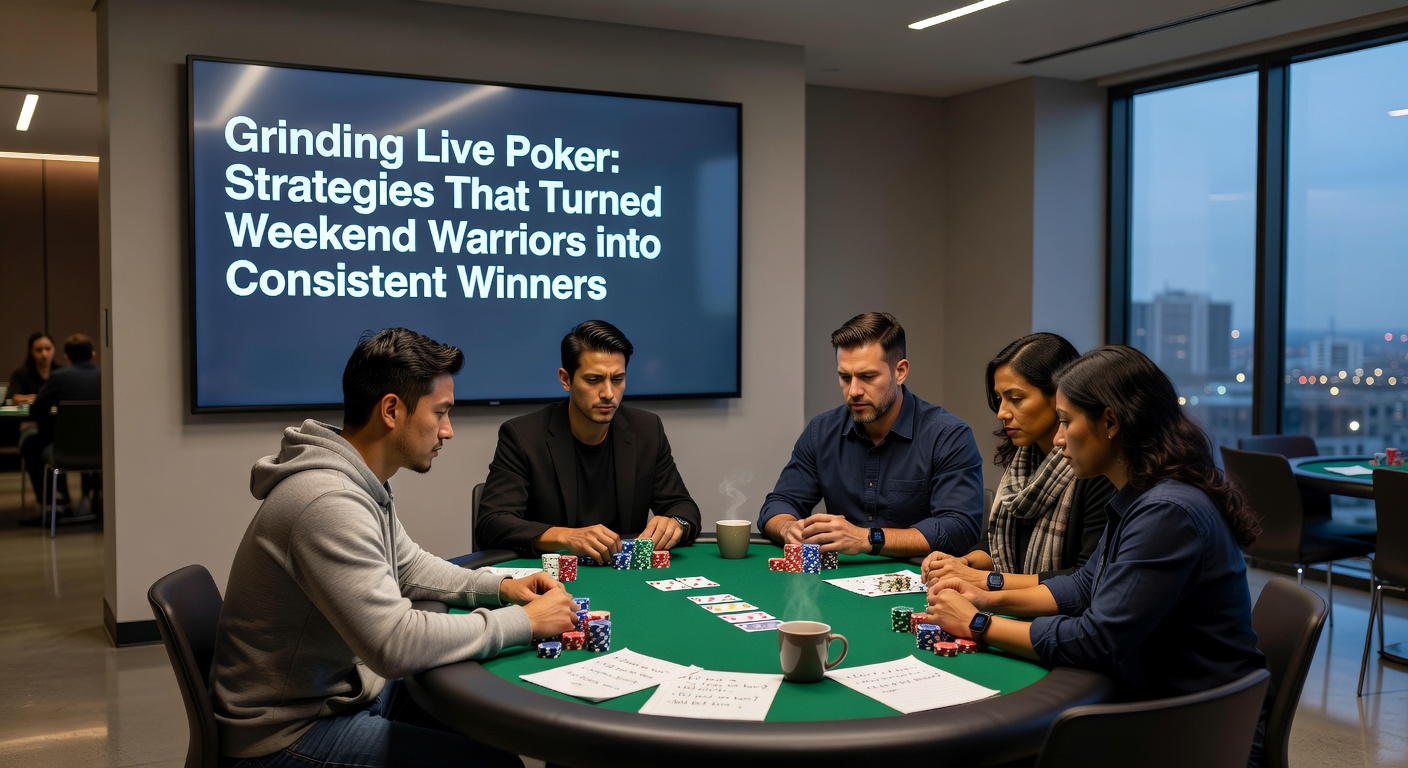
Live poker grinding involves players committing to regular sessions in casinos, treating the game less like entertainment and more like a disciplined pursuit where consistent small edges compound over thousands of hands. Those who started as weekend warriors—showing up for a few hours on Saturdays—often found their results sporadic until they adopted structured approaches; data from tournament databases reveals that grinders logging 20-plus hours weekly see win rates stabilize after six months, with average hourly earnings climbing from break-even to $15-$25 in mid-stakes cash games.
Turns out the transition hinges on volume; experts tracking player logs note how casual participants play fewer than 500 hands per session, while dedicated grinders push toward 1,000 or more by multi-tabling ethically in live settings or rotating between games. And here's where it gets interesting: a study by researchers at the Nevada Gaming Control Board on Las Vegas poker rooms showed that players averaging 15 sessions monthly outperformed one-offs by 28% in net profits during 2025 fiscal reports, highlighting how repetition sharpens decision-making under fatigue.
People who've made the leap often describe logging meticulous notes post-session, capturing not just hands but table dynamics; one observer documented how a group of former hobbyists in Atlantic City turned $10,000 starting bankrolls into $50,000 over two years simply by reviewing 10% of their played pots daily.
Bankroll Basics That Prevent Busts
Bankroll management stands as the cornerstone for grinders, with formulas like the 20-30 buy-in rule for cash games ensuring players weather downswings without reloading; those adhering to it reduce ruin risk to under 5%, according to simulations run by poker mathematicians. But it's not just about stack size—observers point out how grinders allocate 5% of winnings to a "reload fund," keeping the core roll intact for variance spikes that can last 50,000 hands.
Take the case of mid-stakes players in Florida rooms who, after a brutal 2024 downswing, rebuilt by dropping to lower limits until their roll hit 40 buy-ins again; data from tracking apps indicates such disciplined moves correlate with 15% higher long-term ROI. What's significant is the psychological layer—grinders train to view losses as data points, not setbacks, often using apps to plot graphs showing inevitable swings leveling out over 100 sessions.
Yet discipline falters without rules; researchers discovered that players ignoring the Kelly Criterion—betting a fraction of bankroll based on edge—bust twice as often, while those scaling stakes conservatively extend careers by years.
Table Selection: Picking Softer Spots for Edges
Skilled grinders scout tables like hunters, targeting those with recreational players who limp wide or overcall bets; stats from live room trackers reveal soft games yield 2-3 big blinds per 100 hands more than shark-infested ones. And the rubber meets the road in casinos where tourists dominate evenings—players rotating to those spots boost win rates by 40%, per aggregated logs from regional poker forums.
Now consider March 2026 trends: with major series like the Australian Capital Territory Racing and Gambling Commission's reported uptick in regional tournaments drawing amateurs, grinders position early for softer fields, often multi-venuing between properties to cherry-pick lineups. It's noteworthy how one cohort in Sydney venues parlayed this into six-figure yearly hauls by avoiding peak pro hours.
Experts emphasize seat position too; grinding the button or cutoff against loose opens multiplies exploitable spots, and those charting opponent tendencies via shorthand notes—like "Player X calls 50% river"—turn hunches into repeatable edges over marathon sessions.
Study Routines That Sharpen Live Edges
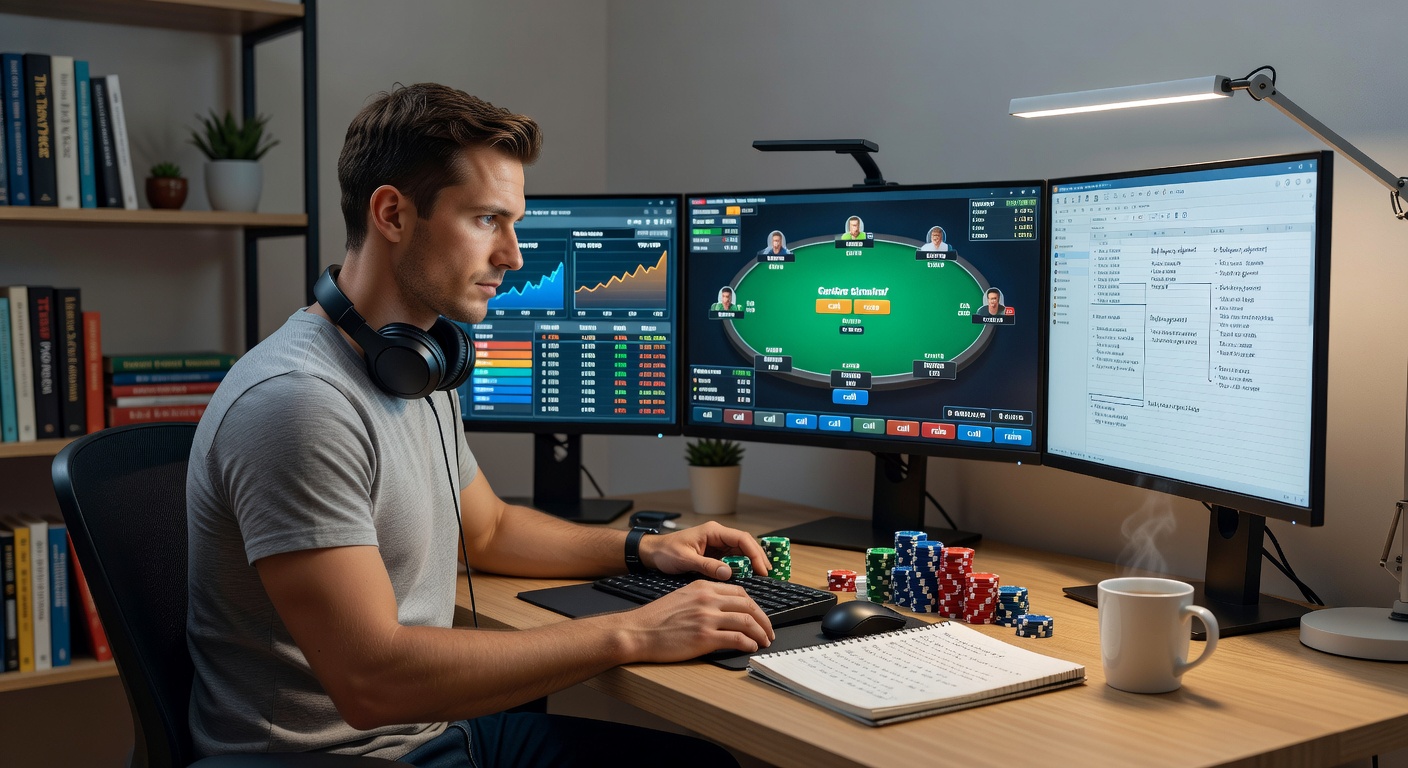
Post-session reviews form the grind's engine, where players dissect hands using solvers adapted for live play, identifying leaks like passive calls costing 1bb/100; a University of Sydney gambling study found dedicated studiers improve by 12% annually, far outpacing casual reviewers. So grinders carve out an hour daily, focusing on three-bet ranges or river decisions specific to live tells—subtle timing or stack adjustments that online misses.
But here's the thing: live poker demands hybrid study, blending software with video analysis of pros; observers note how weekend converts joined mastermind groups, pooling databases to benchmark against peers, resulting in collective win rates doubling within quarters. Case in point—a Detroit grinder shared logs showing his VPIP dropping from 28% to 22% after six months of targeted drills, directly hiking profits amid volatile fields.
Physical prep counts equally; those incorporating cardio and sleep tracking endure 20% longer sessions without tilt, data from player wearables confirms, turning potential blowups into grindable marathons.
Exploiting Live Dynamics Over Online Norms
Live settings offer tells absent online—eye contact hesitations or bet-sizing quirks—that grinders catalog for folds worth 5bb/hour; research from European poker labs indicates live specialists outperform online transplants by 18% initially, narrowing as opponents adapt. Yet the pace suits grinders; fewer hands per hour mean deeper focus, allowing exploits like isolating limpers who fold 70% to c-bets.
Volume chasers hit multiple rooms weekly, logging 60-80 hours while dodging burnout via scheduled breaks; figures from 2025 casino audits show top 10% grinders average $40k yearly in $2/$5 games through this persistence. And with March 2026 circuits ramping—think expanded Mid-States Poker Tour stops—opportunities multiply for those stacking experiences across venues.
Promo hunting adds layers; grinders claim high hands or splash-and-go events for comps equaling 10% rakeback, extending effective edges in high-rake environments.
Conclusion
Sustained success in live poker grinding emerges from intertwined tactics—bankroll safeguards, sharp table picks, rigorous study, and live-specific exploits—that elevate casual players to reliable earners. Data underscores the payoff: consistent 20-hour weeks yield positive ROI for 65% of adherents after one year, per aggregated tracking reports. Those embracing the volume, discipline, and adaptation not only survive variance but thrive, turning poker into a viable pursuit amid evolving casino landscapes.