Evoke Fields Bally's Takeover Interest as Debt Pressures Mount in British Gambling Sector
Tina Bauer · May 23, 2026

Evoke Fields Bally's Takeover Interest as Debt Pressures Mount in British Gambling Sector
UK-listed gambling operator Evoke has confirmed it is in talks with US-based Bally’s Corporation over a potential takeover bid priced at 50p per share, a figure that values the entire group at roughly £225 million according to a formal stock market announcement released in April 2026. The heavily indebted company owns both the William Hill retail and online brands along with the 888 online casino platform, and the disclosure immediately triggered movement in its share price while analysts began reviewing balance-sheet implications.
Announcement Details and Immediate Market Reaction
Evoke issued the statement on 20 April 2026, noting that discussions remain at an early stage and that there is no certainty any offer will ultimately be made. Bally’s, which operates casinos across several US states and runs an online gaming division, has not yet disclosed its financing plans or the strategic rationale behind the approach, yet the news alone shifted attention toward Evoke’s UK-focused operations and its ongoing debt obligations. Trading volumes rose sharply on the London Stock Exchange that day, and observers noted the 50p proposal sits well below Evoke’s historical trading range before the company’s recent share-price declines.
Company Background and Brand Portfolio
Evoke emerged from the 2022 combination of 888 Holdings and William Hill’s international assets, creating a group with both online and land-based exposure across multiple jurisdictions. William Hill’s high-street betting shops remain a core revenue contributor in Britain, while the 888 brand focuses on casino and poker products aimed at international markets. Bally’s has previously expressed interest in expanding its digital footprint, and an acquisition of Evoke would give the American operator immediate access to established UK customer bases along with regulated licences that took years to secure.
Financial Pressures Driving the Discussions
The company has carried significant debt since the merger, and recent regulatory changes plus higher tax burdens in the UK have squeezed margins across the domestic market. Evoke’s latest filings show interest payments consuming a growing share of operating cash flow, prompting management to explore strategic options including potential asset sales or ownership changes. Bally’s own balance sheet includes substantial US real-estate holdings that could, in principle, support a leveraged transaction, though any deal would still require clearance from competition authorities on both sides of the Atlantic.
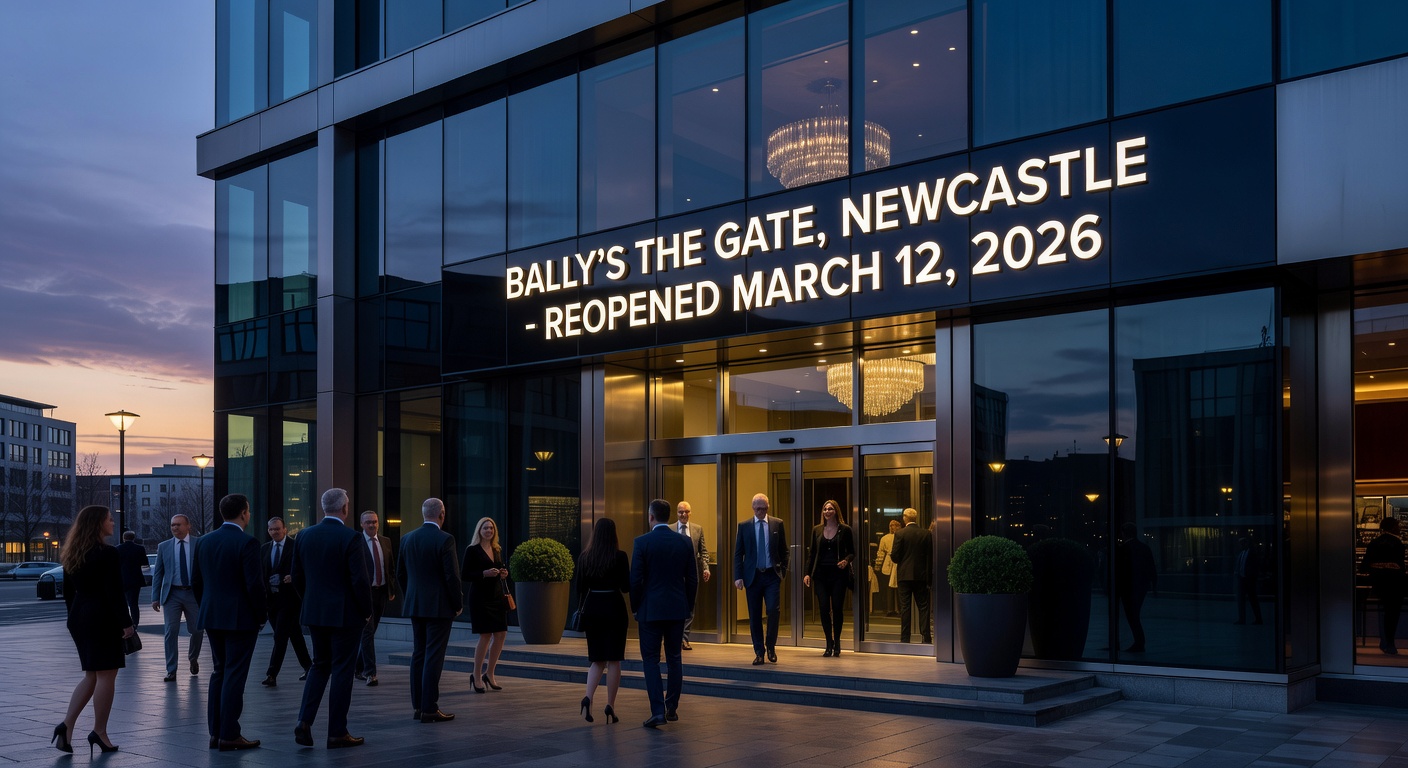
By early May 2026 the talks had not yet produced a formal offer document, yet company representatives confirmed that due-diligence processes were continuing under non-disclosure agreements. Industry analysts pointed out that any completed transaction would mark one of the larger cross-border deals in the gambling sector since the post-pandemic recovery period, and attention has now turned to whether rival bidders might surface before exclusivity periods expire.
Regulatory and Competitive Context
Takeovers involving UK gambling licences trigger review by the Competition and Markets Authority as well as the Gambling Commission’s licensing team, although the latter focuses on fitness and propriety rather than competition issues. On the US side, Bally’s would need to secure approvals from state gaming control boards in jurisdictions where Evoke’s technology or customer data might be deployed. Observers familiar with previous deals note that such multi-jurisdictional clearances typically extend timelines by several months, and financing conditions often become the decisive factor once regulatory sign-off appears achievable.
According to reports from The Guardian, the proposed valuation reflects both Evoke’s depressed share price and the broader challenges facing UK-facing operators. Bally’s has not commented publicly on whether it views the 50p figure as final or merely an opening position for negotiation.
Potential Outcomes and Next Steps
Should the parties reach agreement, shareholders would vote on the offer while employees across William Hill’s retail estate and 888’s online operations await clarity on integration plans. Bally’s has historically retained local management teams after acquisitions, yet cost synergies remain a common driver in the sector. If talks collapse, Evoke would continue addressing its debt through operational improvements or selective disposals, options the board has already signalled remain under active consideration.
Conclusion
The April 2026 disclosure places Evoke at a pivotal moment where a US operator’s interest could reshape ownership of two of Britain’s best-known gambling brands. While discussions continue into May without a binding offer, the 50p per share figure and £225 million enterprise value provide a concrete benchmark against which any future proposals will be measured. Regulatory reviews, financing structures, and possible competing bids will determine whether the transaction advances beyond the current exploratory phase.