Analyzing Slot Volatility Structures Through Collective Performance Records
Tina Becker · Aug 26, 2026
Analyzing Slot Volatility Structures Through Collective Performance Records
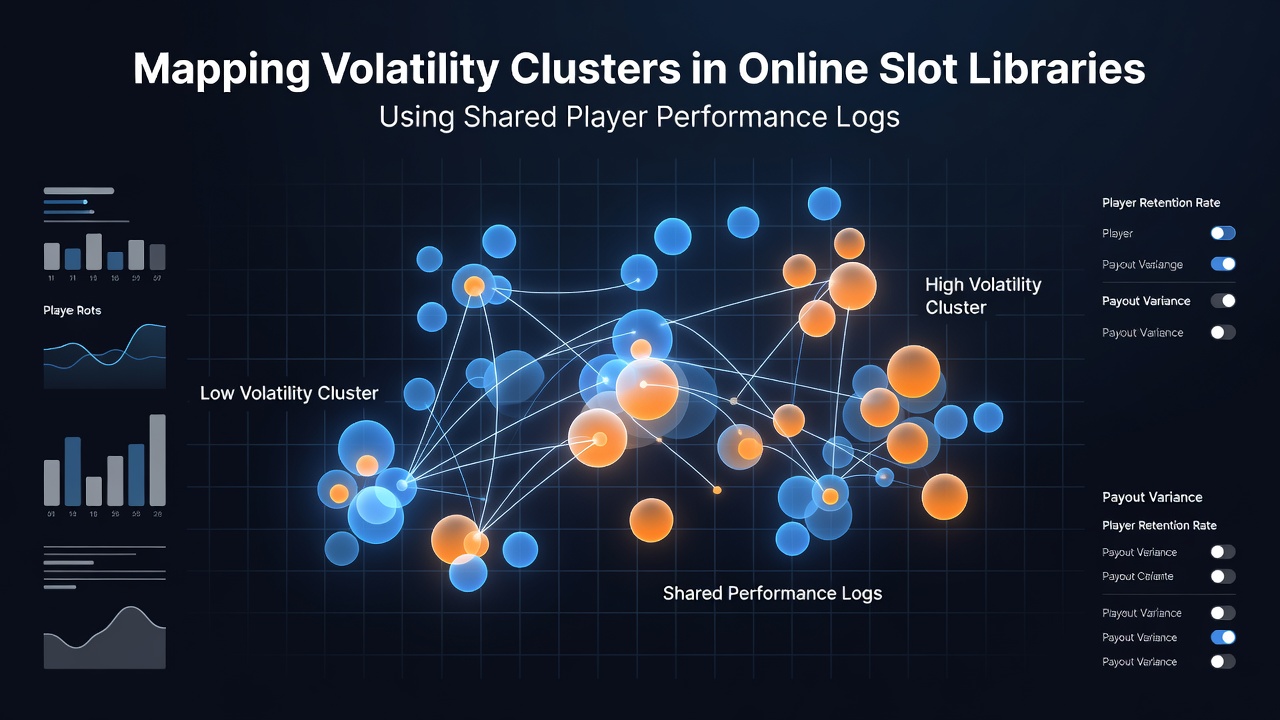
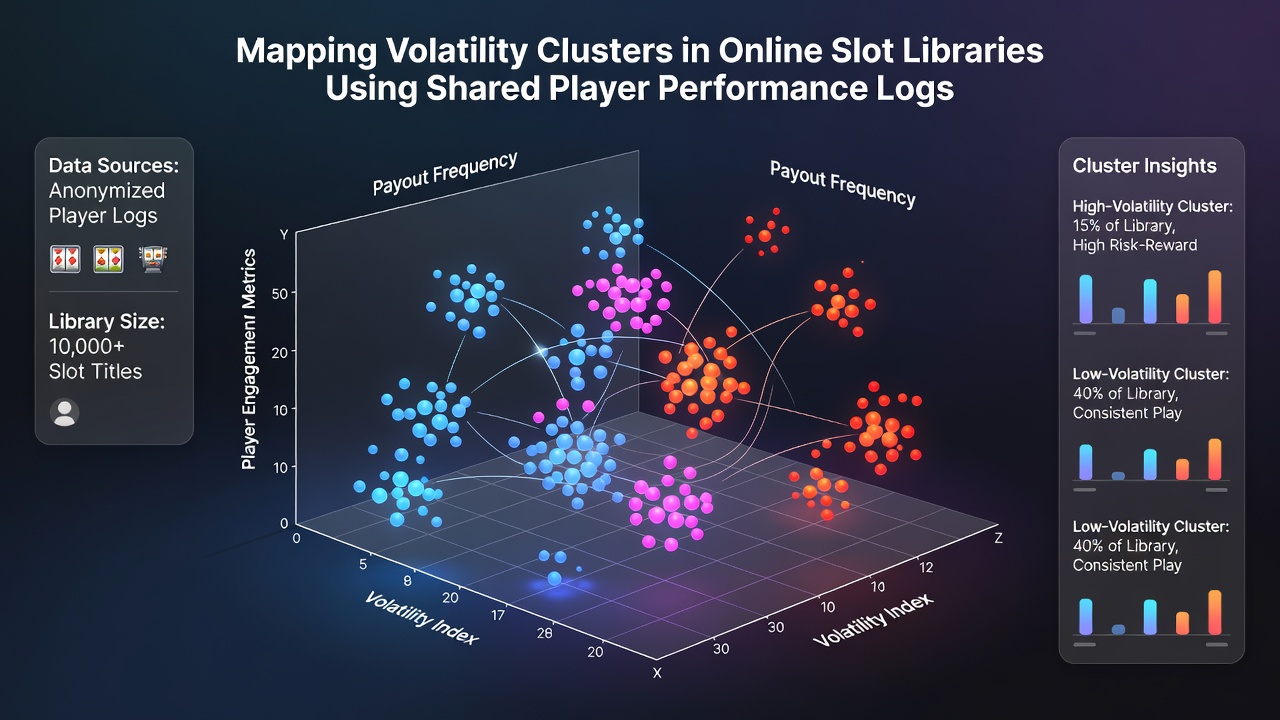
Shared player performance logs have become a key resource for identifying volatility clusters within online slot libraries, where groups of games exhibit similar payout patterns and risk profiles based on aggregated session data. Researchers at several academic institutions have applied clustering algorithms to these datasets, grouping titles according to metrics such as hit frequency, average win size, and standard deviation in returns. This approach allows operators to organize extensive game catalogs without relying solely on theoretical return-to-player calculations, since actual logs capture real-world variance across thousands of sessions.
Data from multiple jurisdictions shows that these clusters often align with player behavior segments, where high-volatility groups attract users seeking larger but less frequent payouts while lower-volatility clusters draw those preferring steadier outcomes. In August 2026, several European gaming associations reported expanded use of such mapping methods following updates to data-sharing protocols that standardize log formats across platforms. The result has been more precise library segmentation, enabling operators to balance offerings according to observed demand patterns rather than manufacturer specifications alone.
Data Sources and Collection Methods
Performance logs typically include anonymized records of spin outcomes, bet sizes, and session durations collected under strict privacy frameworks established by regulatory bodies in Canada and Australia. Analysts combine these entries with timestamps to calculate empirical volatility measures that reflect actual play conditions, including bonus round contributions and multi-line interactions that theoretical models sometimes overlook. One study from a Canadian research consortium demonstrated how merging logs from three separate operators produced stable cluster assignments even when individual datasets contained gaps from incomplete sessions.
Clustering techniques such as hierarchical methods and density-based spatial applications have proven effective at handling the high-dimensional nature of slot data, where each game generates variables for base game frequency, feature trigger rates, and payout distribution tails. Observers note that preprocessing steps, including normalization for different stake levels, reduce noise and improve cluster cohesion across libraries containing several hundred titles.
Practical Applications in Library Management
Operators have started using these mapped clusters to guide promotional strategies and content rotation schedules, placing similar-volatility titles together in recommendation engines so players encounter consistent experiences within a session. Figures from an Australian gambling research center indicate that libraries organized by volatility groupings saw measurable shifts in average session length, with users more likely to explore additional games when transitions between titles felt predictable in risk level.
Take one operator who integrated cluster data into their platform in early 2026 and observed improved retention metrics after adjusting search filters to surface games from matching volatility groups. The same datasets also support regulatory compliance efforts, since authorities in multiple regions now request evidence of responsible game distribution that accounts for variance exposure rather than simple game counts.
Challenges in Implementation
Despite the advantages, mapping volatility clusters faces hurdles related to data quality and cross-platform compatibility, where differing log structures require extensive harmonization before analysis can begin. Researchers have documented cases in which incomplete bonus round logging distorted cluster boundaries, leading to recommendations for standardized event tagging across providers. Industry organizations such as the Canadian Gaming Association have published guidelines on minimum log fields needed for reliable clustering, emphasizing the inclusion of time-stamped feature activations and stake-adjusted outcome values.
Another consideration involves the dynamic nature of slot libraries, where frequent game additions and removals necessitate periodic reclustering to maintain accuracy. Studies from the Australian Institute of Criminology highlight that quarterly updates using rolling six-month log windows produce the most stable groupings, avoiding drift from outdated sessions while still capturing seasonal variations in play volume.
Future Directions and Research Trends
Emerging work focuses on integrating machine learning refinements that adapt cluster boundaries in real time as new performance logs arrive, potentially allowing libraries to self-organize based on live data streams. Those who've examined early trials report that hybrid models combining traditional statistical clustering with neural network embeddings handle edge-case games more effectively, particularly titles with rare but high-impact features. Geographic expansion of these techniques continues, with pilot projects underway in several Asian markets that emphasize local regulatory requirements for transparent volatility reporting.
The approach also intersects with responsible gaming initiatives, where identified high-volatility clusters can trigger targeted player information displays about risk levels without restricting access. Evidence from ongoing academic collaborations suggests this data-driven segmentation offers a scalable alternative to manual game categorization, especially as slot libraries grow beyond traditional size limits.
Conclusion
Mapping volatility clusters through shared player performance logs provides operators and researchers with a structured way to understand the risk landscape of online slot collections, grounded in empirical session data rather than isolated theoretical values. Continued refinement of collection standards and analytical methods across different regions supports broader adoption, while ongoing studies track how these groupings influence both player engagement and regulatory compliance outcomes.